


|
|
|
|
Tutorial led by Editor Michel Romaggi in collaboration with the author Jay Satriani
Edited and published by Yvette Depaepe, the 7th of October 2026
For Jay, photography is a personal visual language — a space where he can express himself honestly, guided by intuition and the atmosphere of each moment. When hobby, profession and personal expression converge through photography, the creative process becomes a continual journey of self-discovery and understanding.
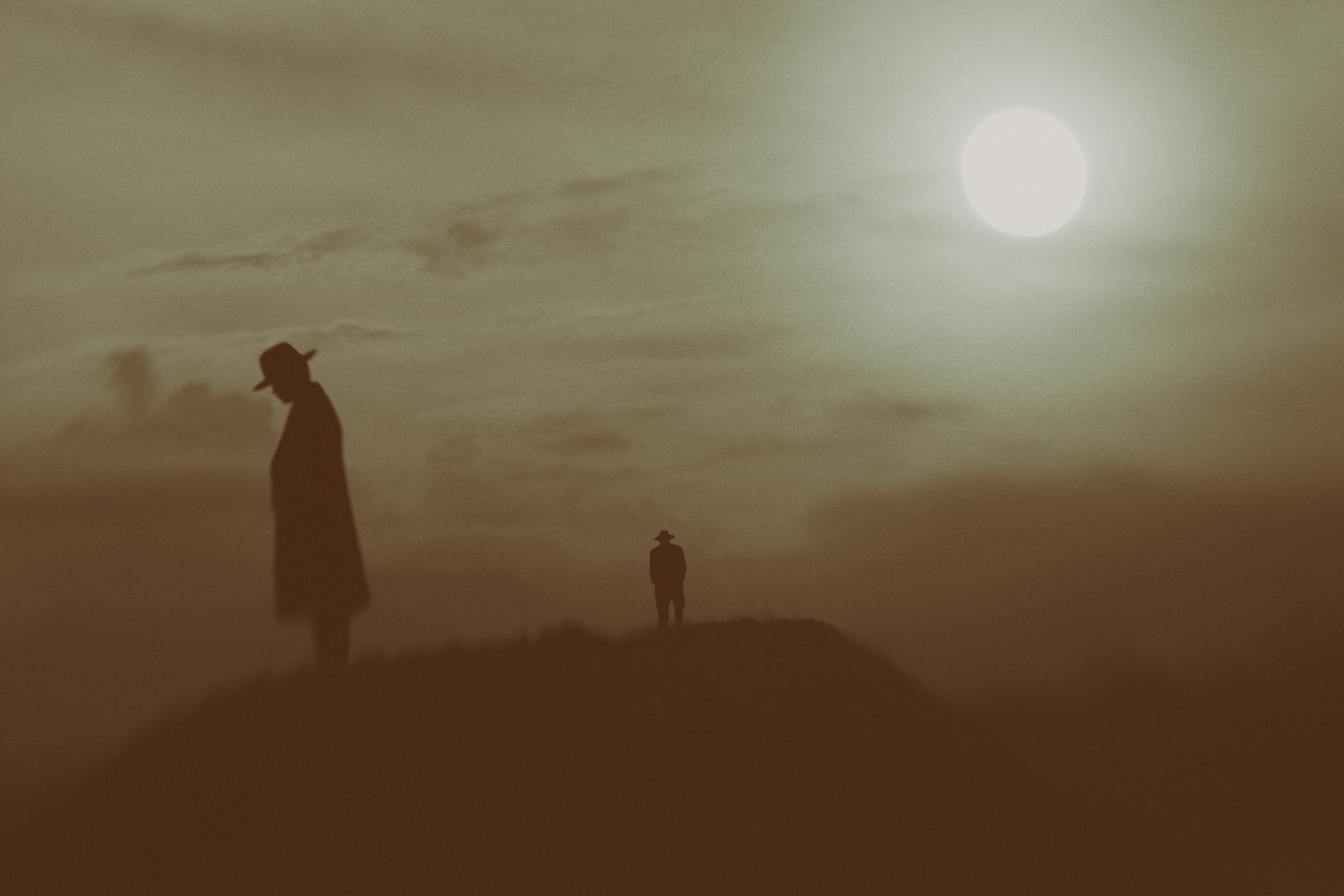
‘Lost Harmony’
Settings: f-stop 2, exposure time 1/8000, ISO 100, and focal length 50mm.
Time and "loss" seem like two concepts that inspire you…?
Yes, time and loss are indeed recurring themes in both my life and my work. To me, time is not just about the passing of moments, but about the gradual changes that teach us to understand ourselves. Meanwhile, loss is not just about something slipping away; it's about what remains in our hearts: memories, emotions, lessons and meaning.
In moments of stillness, these experiences often resurface as feelings or images that I wish to express through photography. I don't always plan what I'll create; instead, I let intuition, mood, light and life experiences guide my hands and mind. It is as if each image is a message inviting me to reflect. For me, then, photography is not just about capturing what has passed, but about trying to understand the impact of time and loss on me.
What equipment do you usually use?
The equipment I used most recently consists of a Canon 7D, a Baby Muse 50mm lens, and a Canon 24mm f/2.8 STM lens.
You told me that the picture 'Lost Harmony' has a special meaning to you. Why is that?
This image represents my inner journey — the struggle to control my thoughts and desires, which often lead me in a different direction to that which my heart truly desires. To me, 'Lost Harmony' is not just about losing something outside myself, but also about internal imbalance: when the mind, heart and desires are no longer aligned. The human figure in the photograph represents myself, learning to understand and control who I am. Standing within such an immense space reminds me that, as a human being, I am only a small part of something much greater.
* The moon symbolizes time and the journey of life: it is always moving and changing, and it never returns to exactly the same place. It reminds me that every stage of life is an opportunity to learn and understand myself more deeply.
* The vast sky and empty space represent my awareness that I ultimately possess nothing absolutely. In the presence of such vastness, human beings appear tiny. This emptiness reminds me to remain humble, to let go of my ego and to stop seeing myself as the center of everything.
* The fog symbolizes the thoughts and desires that sometimes obscure my sense of direction. When my heart and mind are out of balance, the way forward becomes unclear. However, the fog also teaches me that not everything needs to be visible in order to be crossed. Sometimes, I have to move slowly and learn patience and trust, recognizing the path from within.
* Meanwhile, the yellow tone filling the image represents the light of awareness — a faint light that continues to exist within uncertainty. It is like hope and wisdom gradually emerging as I learn to see myself more honestly.
*The two figures can also be interpreted as two aspects of myself: one is close, large and still surrounded by fog, while the other is distant and small yet continues to walk.
Together, they reflect the inner struggle between desire and awareness, impulse and heart, ego and humility.
Could you describe the various stages involved in its creation?
As I mentioned, the creation of 'Lost Harmony' began with the idea of visualising an inner struggle — the tension between the mind, the heart and desires that do not always move in the same direction. Rather than using facial expression or literal storytelling, I wanted to express this conflict through silhouette, semi-silhouette, negative space, soft focus and a restrained atmosphere.
Developing the Visual Concept
I chose to work with a Lensbaby lens because of its unique optical properties. Its natural softness and blur allowed me to create a more dreamlike image that felt less literal.
From the outset, I had envisioned creating a silhouette and semi-silhouette photograph. For this reason, I needed a location with a wide, open landscape, preferably in the highlands with an empty background or distant mountains.
The vastness of the landscape was important to the concept. I wanted the human figure to appear small within the frame to emphasize the idea that we are only a very small part of something much larger than ourselves.
Choosing the Time and Light
The photograph was taken on Saturday 28 June 2014 at 15:06.
I chose the afternoon because I wanted a softer light to support the silhouette and semi-silhouette effect. The changing light also helped to create the muted, hazy atmosphere which became an important part of the final image.
To me, the light was more than just a technical consideration. It was also part of the photograph's emotional language.
Working with the Model
The model was a friend with whom I had worked and trained for many years. I taught him to understand and communicate through body language, because in conceptual photography, particularly silhouettes, the body often has to convey meaning when the face cannot. I taught him how to convey an idea through his body's position, head direction, posture and relationship to the surrounding space.
Finding the Costume
For the costume, I searched for a gray robe and a hat.
I needed simple elements that would create a recognizable silhouette while supporting the character and atmosphere of the story.
The Photographing Process
Once the location, light, model, and costume were prepared, I began photographing.
I took several dozen photographs, experimenting with different gestures, distances, positions, and relationships between the model and the surrounding landscape. At this stage, I was not looking for a technically perfect photograph alone. I was looking for an image that could carry the emotional and conceptual meaning I had in mind.
Selecting the Images
After the shoot, I started the selection process.
First, I looked for the main image: a photograph that could stand alone and had the strongest composition and atmosphere.
Then I searched for a second photograph that could function as its visual and narrative counterpart. For this, I only used the model's pose rather than the entire photograph. I enlarged the figure slightly, carefully considering the size to ensure the image retained sufficient quality without becoming excessively pixelated.
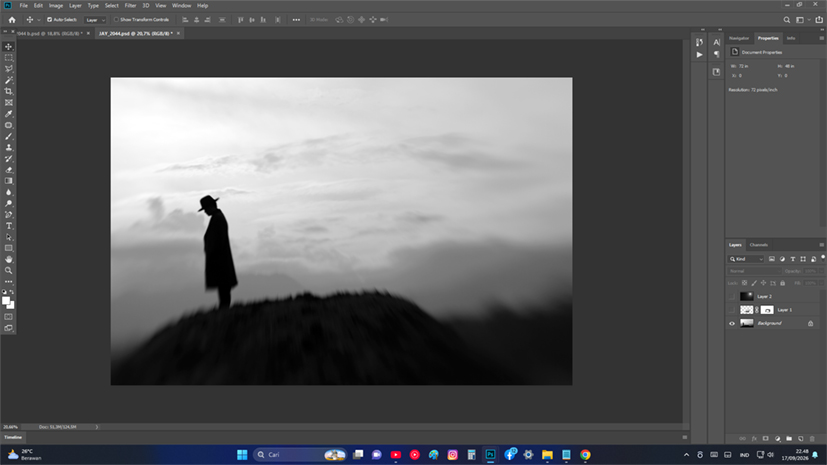
The purpose was not simply to add another person to the photograph, but to create a second presence that would contribute to the story.
Combining the Second Figure with the Main Image
I placed the second figure on a new layer above the main photograph. I then adjusted the figure's scale, position, distance and proportions in relation to the main subject until the overall composition felt balanced. For the blending process, I used the Pin Light blending mode. Using a Layer Mask and Brush Tool, I then gradually removed the areas of the second image that were not needed. Rather than deleting the unwanted areas permanently, I used masking to control exactly which parts remained visible. I adjusted the brush opacity according to the area I was working on to allow the edges and transitions to soften. This helped the second figure blend naturally into the atmosphere of the original photograph.
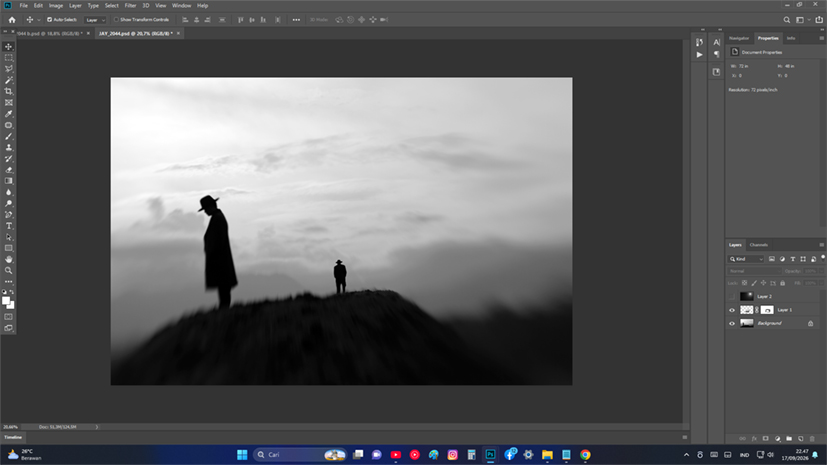
Adding the Moon
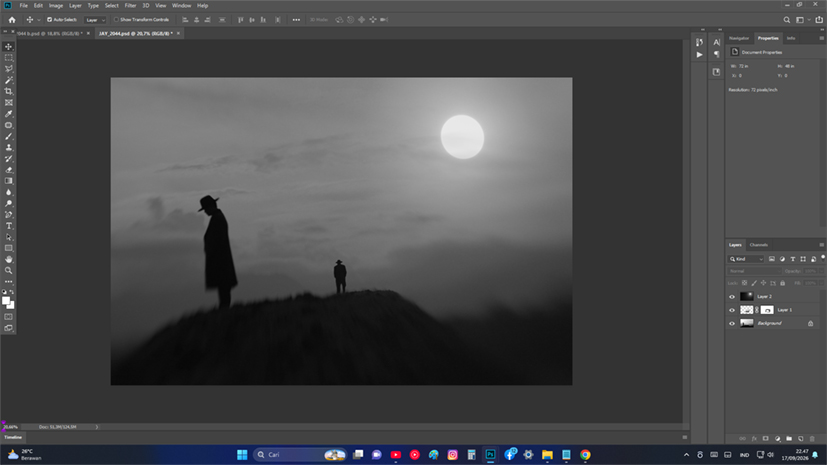
Once the two figures were integrated successfully, I added a stock photograph of the moon, which I had also photographed using the Lensbaby lens.
I positioned the moon in the upper-right area of the composition to strengthen the visual balance and reinforce the symbolic meaning of the image.
The moon became the third layer. I deliberately did not cut the moon out from its original photograph. Instead, I placed the entire image over the composition and reduced its opacity to 51%. This decision was important because the moon photograph did not simply function as an isolated object. Since the entire image was layered over the main photograph, it also affected the overall light, darkness, and atmosphere of the composition. The moon therefore became part of the tonal structure of the image rather than merely an added graphic element.
Establishing the Color and Mood
After completing the composition, I moved into the color-grading stage. Before making the final tonal corrections, I first transformed the original colors into a muted yellowish-purple, or violet-golden, palette. For this process, I used Nik Collection – Analog Efex Pro 2, specifically: Classic Camera 2. Here I worked with several aspects of the image, including: colour, contrast, highlights and shadows, noise, film characteristics, and overall tonal atmosphere. I used the Neutral Faded type and adjusted the Strength gradually until the desired mood began to emerge. I was not trying to create a strong or overly saturated color treatment. I wanted the image to feel soft, aged, hazy, distant, and slightly ambiguous—a visual atmosphere that could support the idea of an internal journey.
Strengthening the Colour Balance
After establishing the basic color palette, I used Nik Collection – Color Efex Pro 4, specifically: Cross Balance. I used this effect to deepen and balance the overall color relationship within the image. At this stage, I paid particular attention to how the color, light, fog, moon, and silhouettes interacted with one another. My goal was for these elements to feel as though they belonged to the same atmosphere, rather than appearing as separate components.
Final Light Correction
The final stage was the tonal correction using Curves. I adjusted the Curves according to the overall image, carefully balancing the relationship between: highlights → midtones → shadows. I did not want the moon to become too dominant, but I also wanted the human figures to retain enough definition to remain visually present. The final adjustments were made until all of the elements felt as though they existed within the same space, light, and atmosphere.
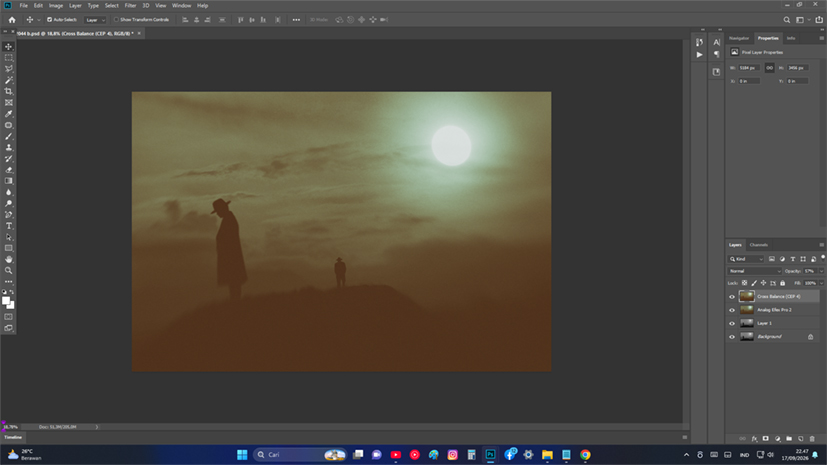
To me, these techniques were never just about manipulating an image. Each element was chosen to contribute to the story. I didn't want to create a visually complicated image just for the sake of it. I wanted every element to speak the same visual language.
'Lost Harmony' is therefore more than just a photograph. It reflects my personal journey — a process of learning to restore balance between the heart, the mind and desire.
Perhaps harmony was never truly lost.
Maybe it was merely concealed beneath the fog within us, waiting to be rediscovered.
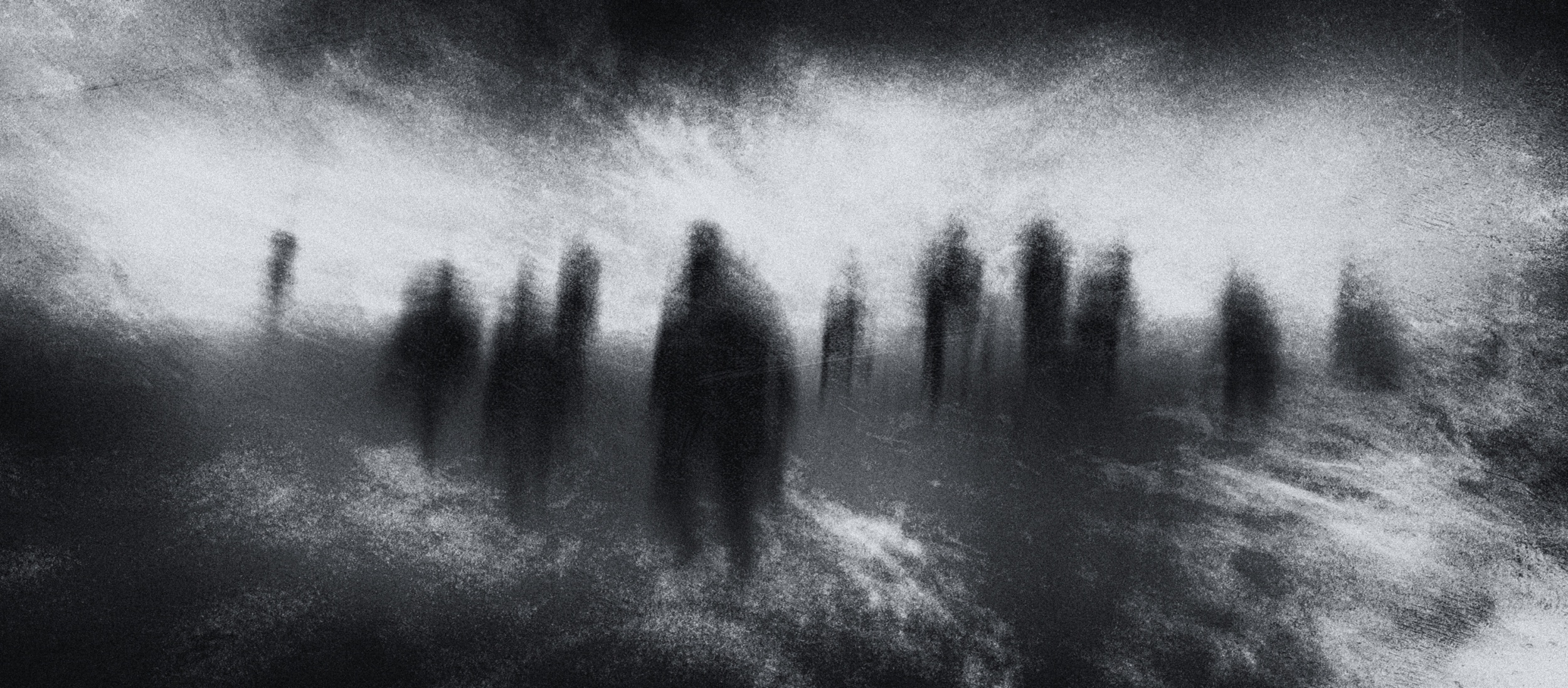
‘Lost Souls’
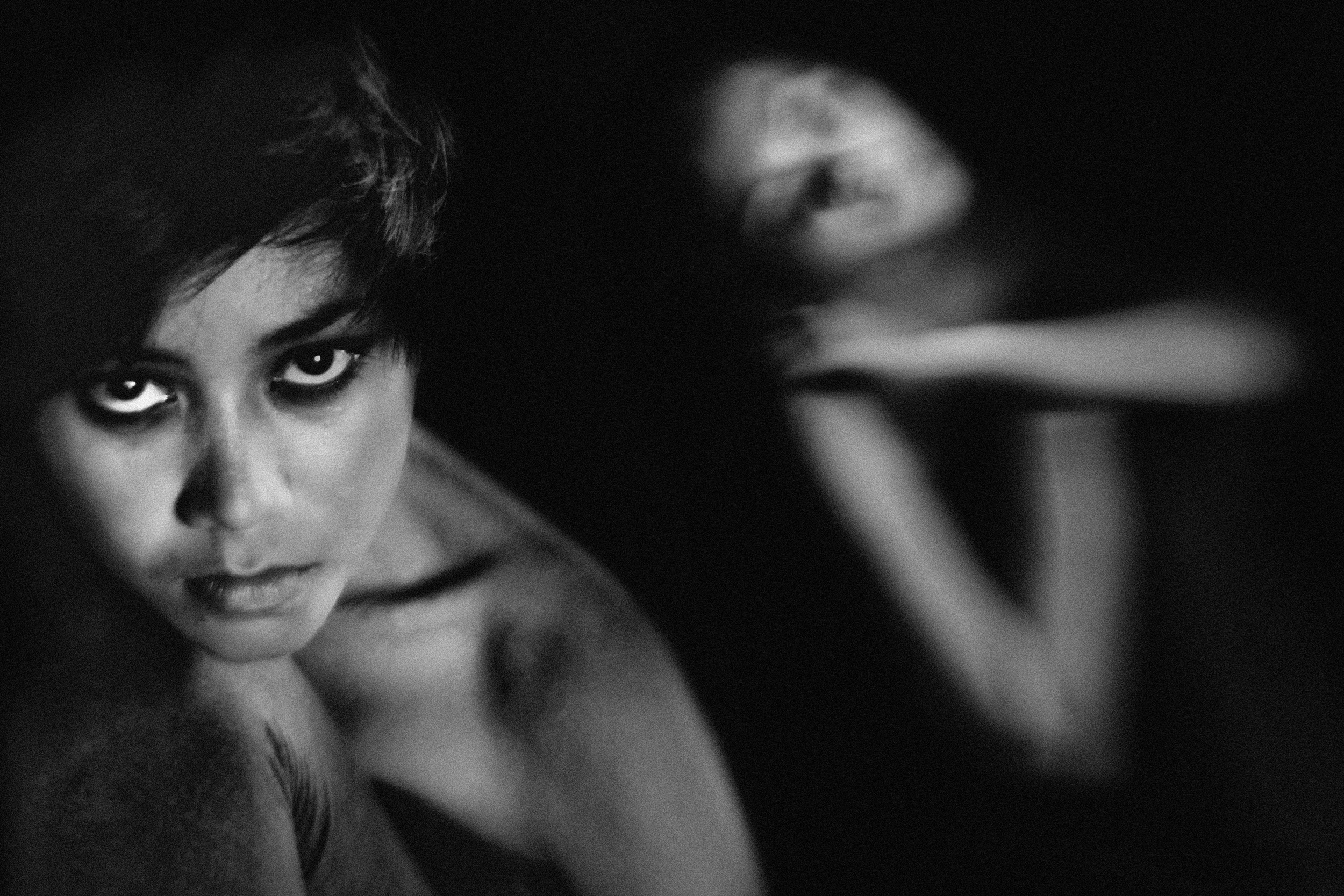
‘Emotion’
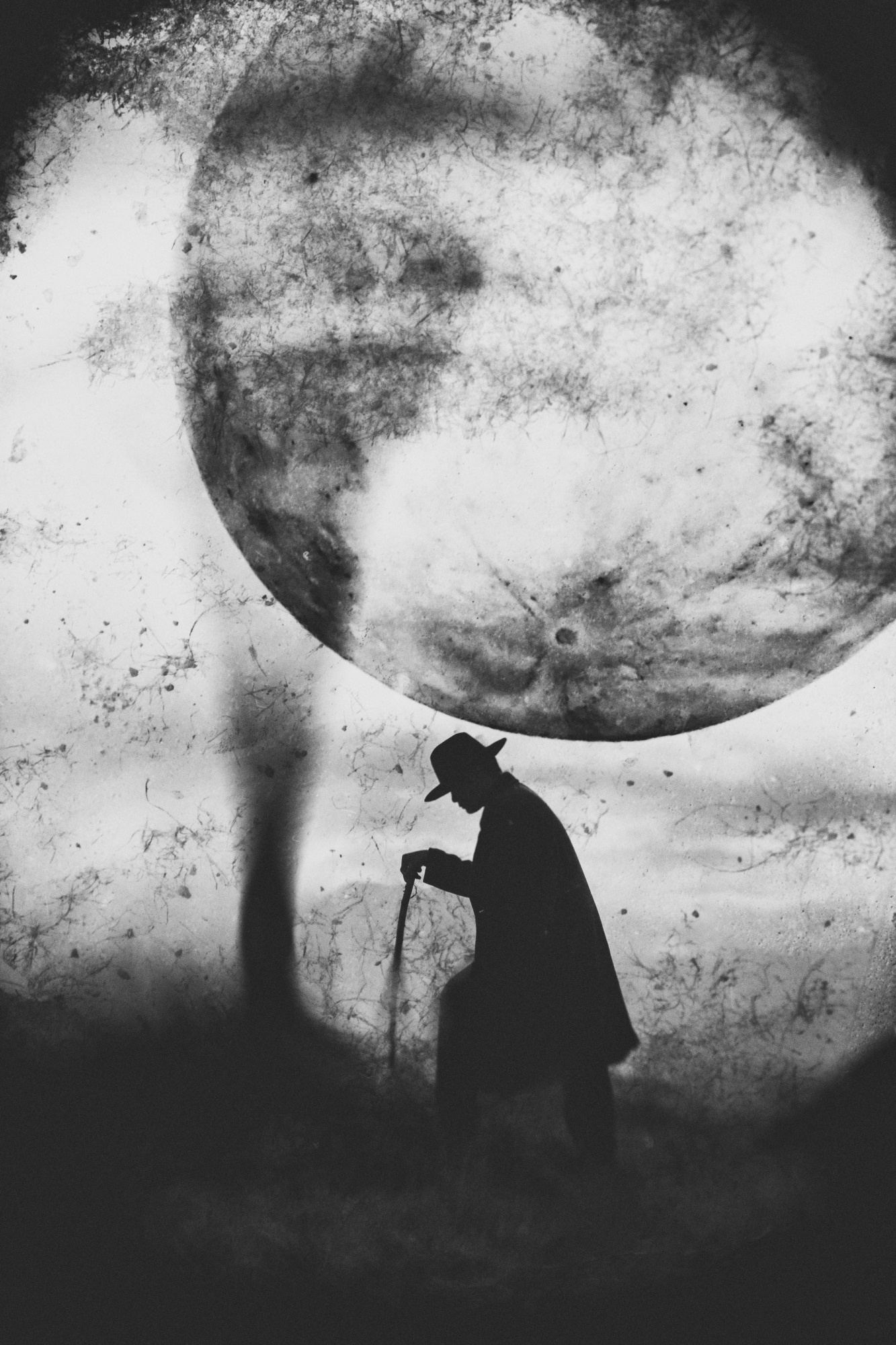
‘Keeper of Lost Time’
BIOGRAPHY
I was born in 1983 in Ciamis, West Java, Indonesia.
My interest in photography was first sparked by my late father's analog camera. That initial curiosity developed into a more serious pursuit in 2004, when I began assisting friends with various wedding and pre-wedding photography projects. Through these experiences, photography gradually became an important part of my creative journey.
My professional path continued with the establishment of Warna Photography, a business built from the ground up, at a time when I did not yet own a camera, lighting equipment, or a computer.
 | Write |
 | Abhijit Sen PRO very detailed oriented writing and excellent result at the end |
 | Jane Lyons CREW Jay, thanks so much for revealing both the technical process and your spiritual journey.
Your work has always resonated with me, and now I understand why—it feels deeply introspective, searching, and profoundly human.
Knowing what lies beneath the images makes them even more powerful. |